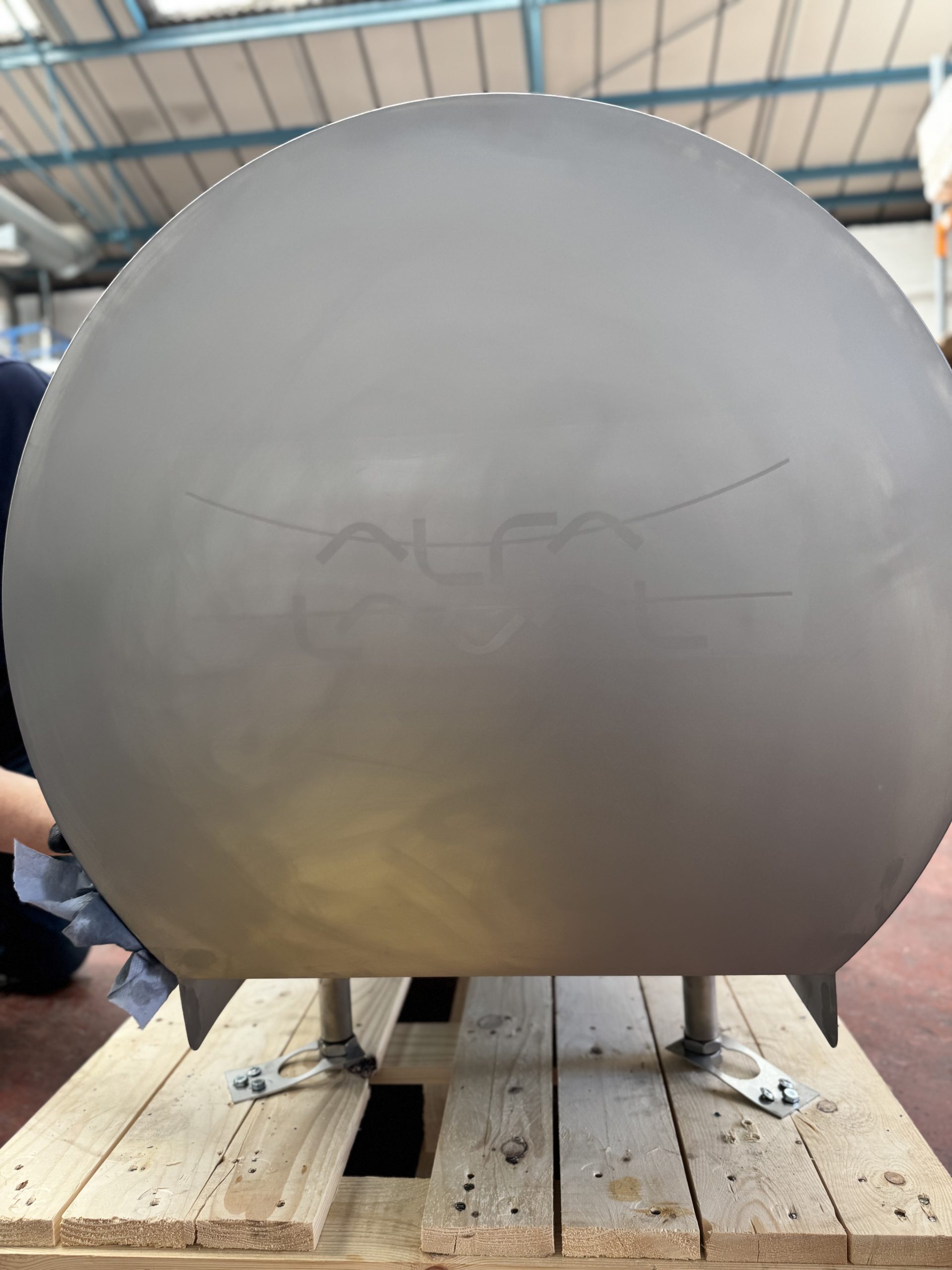
In hygienic processing environments, even a small seal failure can lead to costly product loss, contamination risks, and unplanned downtime.
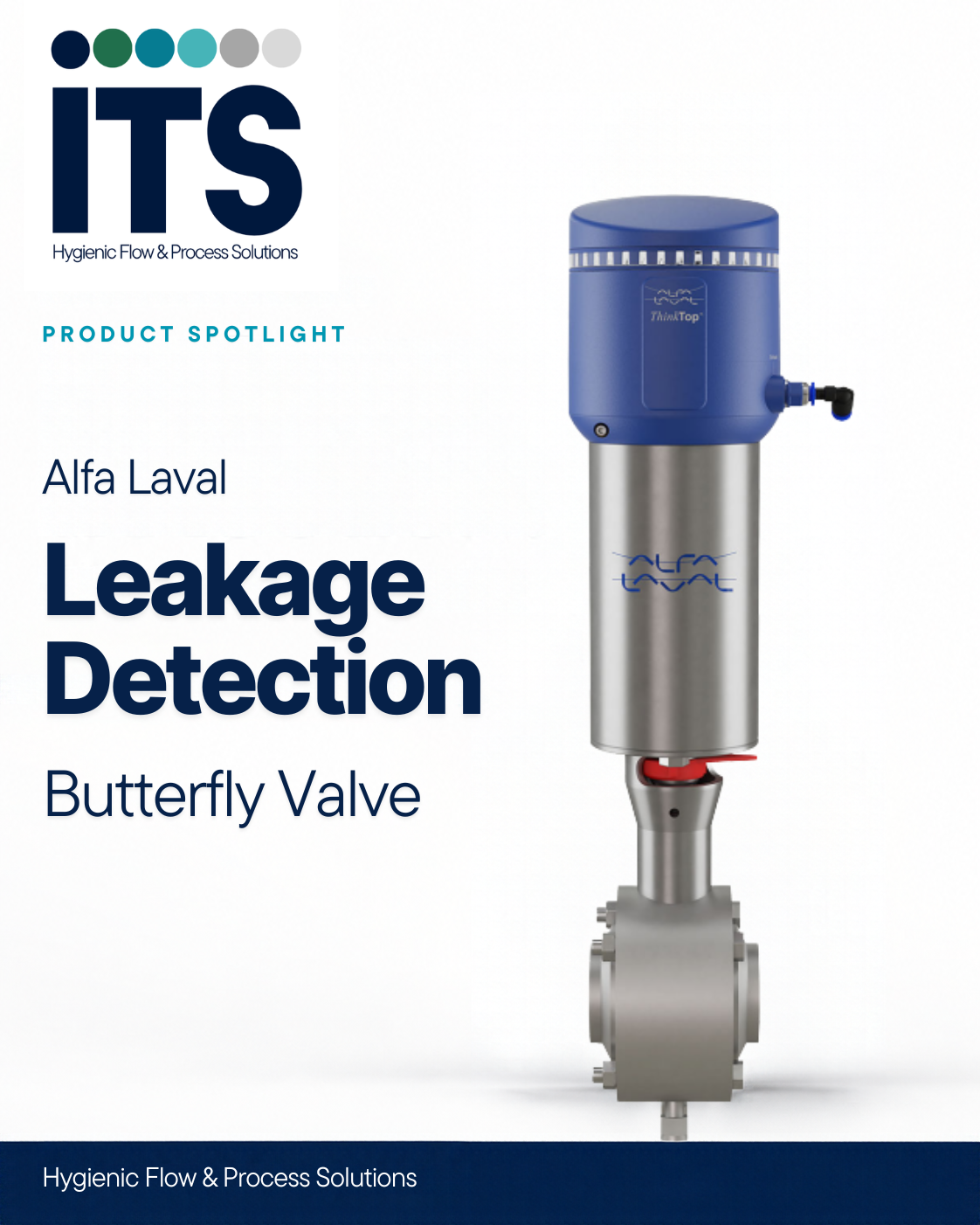
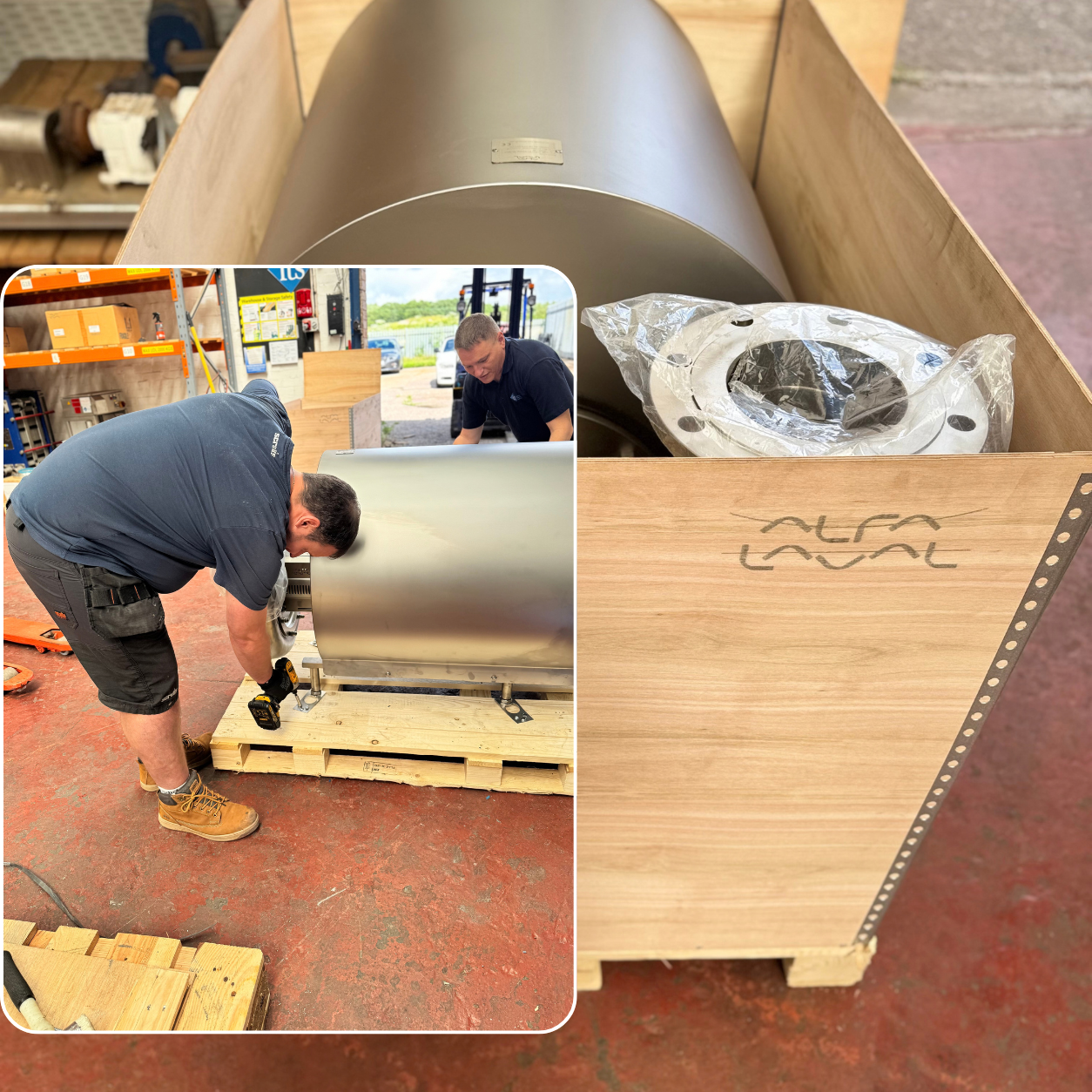
The Alfa Laval Leakage Detection Butterfly Valve is designed to provide an extra level of process security by enabling early detection of seal wear or failure before it becomes a bigger issue.
With its integrated leakage detection design, any product that passes a compromised seal is directed to the atmosphere, making leakage visible and helping operators identify maintenance requirements quickly. This simple but effective feature helps maintain hygienic standards whilst supporting reliable process operation.
For food, beverage, dairy, pharmaceutical and personal care manufacturers, the Leakage Detection
Butterfly Valve offers:
✅ Early indication of seal wear or failure
✅ Reduced risk of product contamination
✅ Improved process reliability
✅ Lower product losses and waste
✅ Easy maintenance and inspection
✅ Hygienic, cost-effective process control
By identifying issues before they impact production, the Alfa Laval Leakage Detection Butterfly Valve helps protect product quality, maximise uptime, and support a proactive maintenance strategy.
At ITS, we can help you select the right Alfa Laval valve solution for your application and provide technical support throughout the specification process.
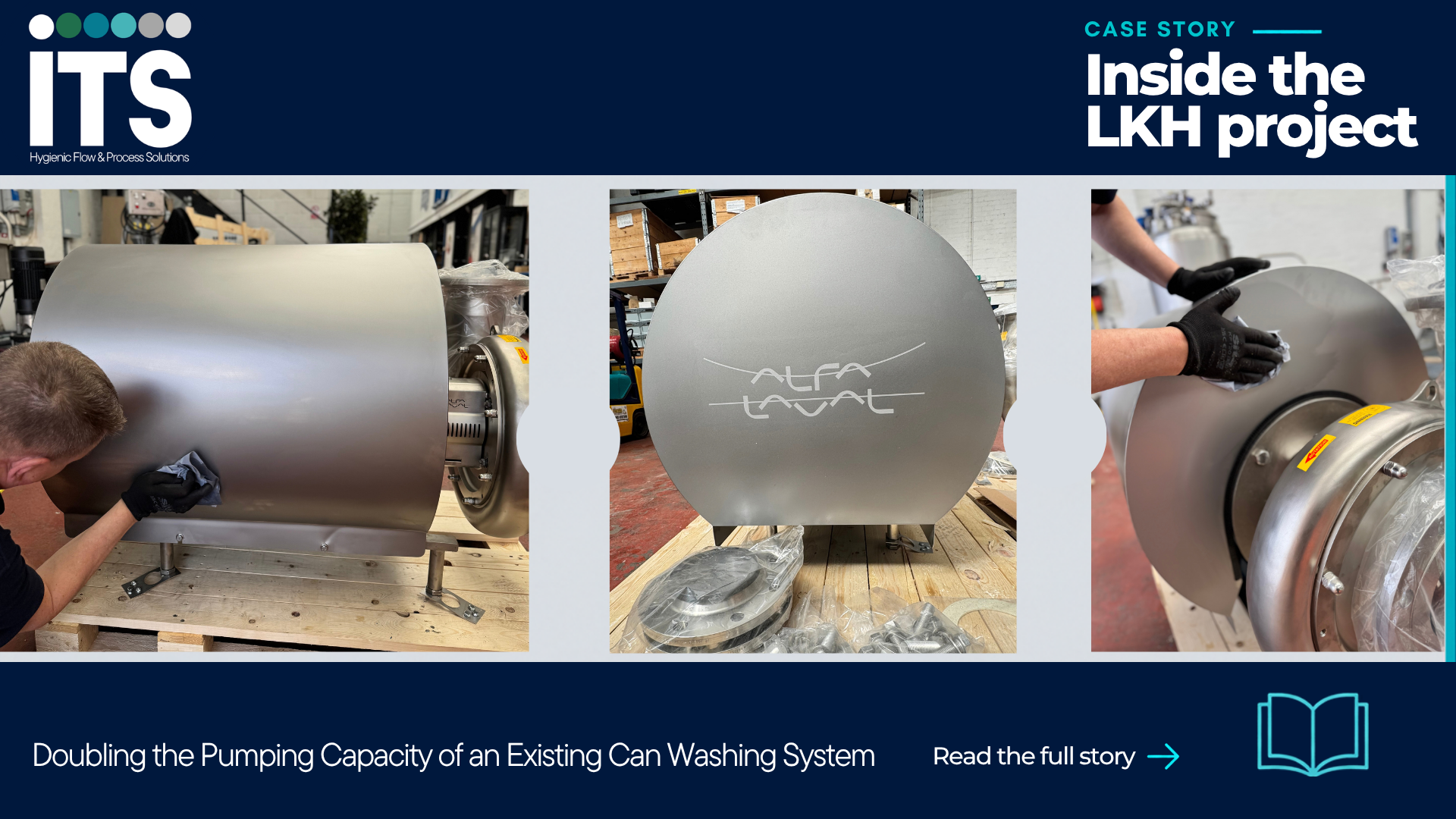
When an established beverage and food packaging company needed to increase the capacity of it’s can washing systems, the existing pumping setup was quickly becoming a limiting factor.
The site was running older Alfa Laval LKH-80 pumps, originally selected for a duty of around 120 m³/hr. With production requirements increasing significantly, the existing pumps needed to be upgraded to handle a much higher flow rate – around 300 m³/hr.
💡Finding the right pump for the duty
With the required flow rate more than doubling, simply replacing the existing pumps with another LKH-80 wasn’t going to provide the additional capacity needed.
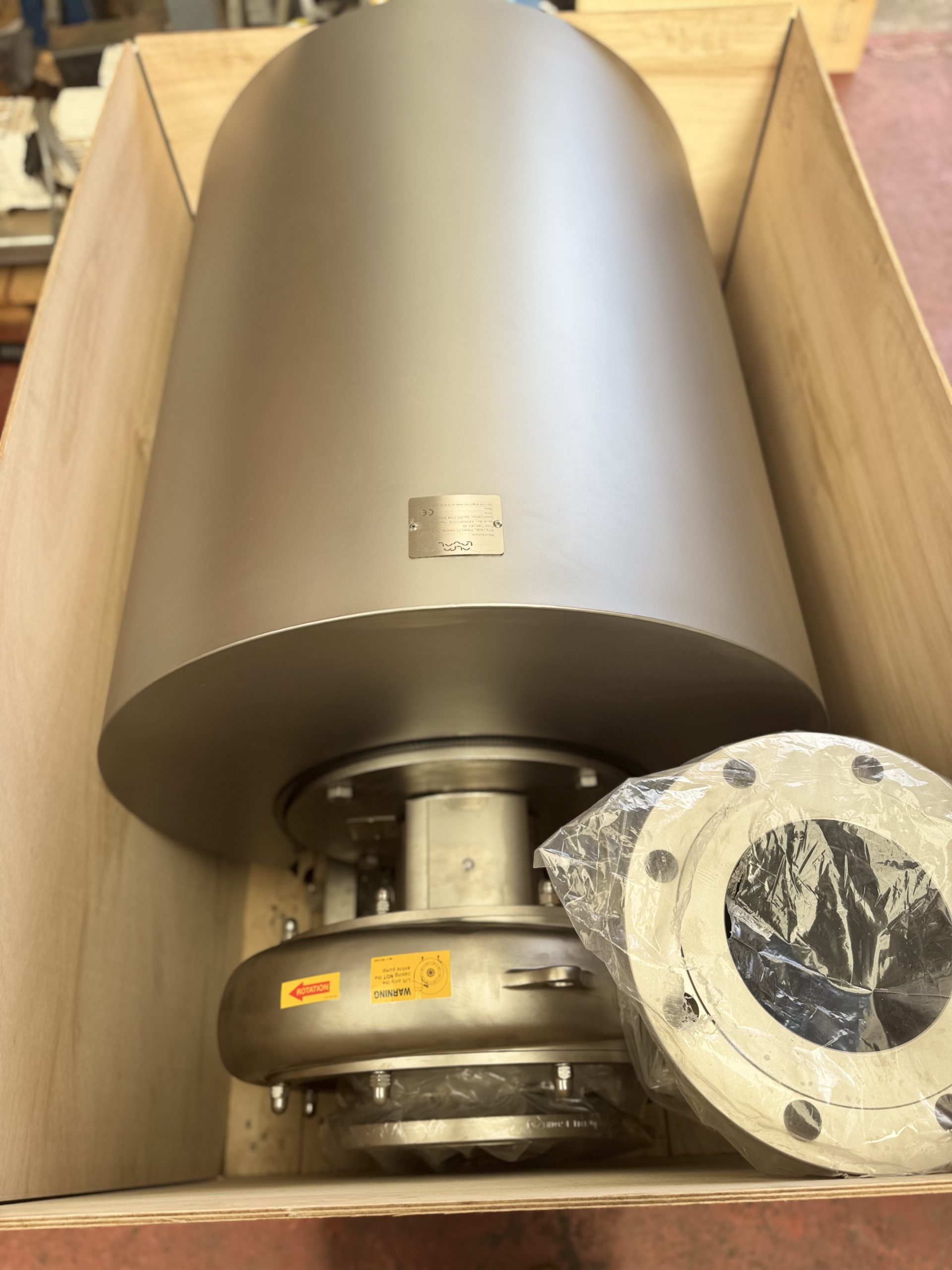
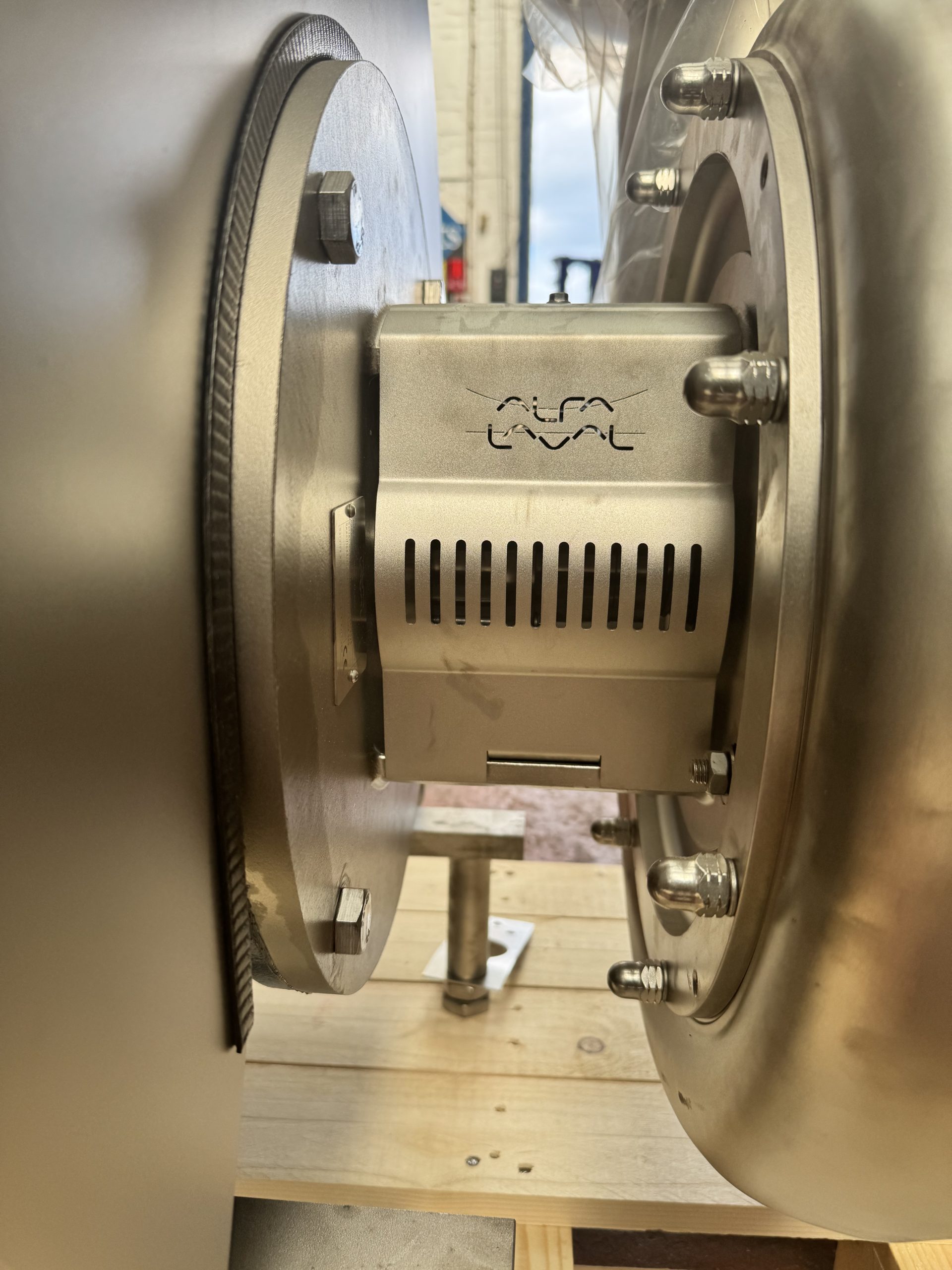
We therefore looked at Alfa Laval’s LKH-90, the largest centrifugal pump in the LKH range, as a suitable solution for the increased duty.
The LKH-90 offered the additional capacity required while providing plenty of operating capability beyond the new 300 m³/hr duty point. The selected configuration could handle flows of up to 500 m³/hr, giving the system sufficient headroom for the increased production requirements.
💦 Eight pumps for eight washing systems
The project required a total of 8 pumps, with one pump serving each of the site’s 8 can washing systems.
Each LKH-90 was supplied with a 37 kW half-speed motor, providing the power required to meet the increased duty while maintaining the benefits of a lower-speed pump configuration.
✅The result was a significant increase in the available pumping capacity – taking the original system requirement from 120 m³/hr to 300 m³/hr across the washing systems.
🔩 More than just a pump replacement
Projects like this aren’t simply about selecting a larger pump. Increasing capacity from 120 m³/hr to 300 m³/hr requires careful consideration of the pump’s operating range, motor selection and how the equipment will perform within the existing process.
In this case, the LKH-90 provided the additional capacity required while giving the customer a robust upgrade to their existing can washing systems.
8 × Alfa Laval LKH-90 pumps | 37 kW half-speed motors | Up to 500 m³/hr capacity | 300 m³/hr required duty
🔧 Need help with your pumps?
Whether you’re looking to upgrade an existing pump, select a new pump for a specific duty, or simply need advice on the right equipment for your application, our ITS Sales Team is here to help. 📞01675 465191 | 📧sales@industrialtradingsolutions.com
If you already have pumps in operation that need routine maintenance, servicing, or inspection, ITS Servicing can help keep your equipment running reliably and minimise unexpected downtime. 📞01675 465191 | 📧 servicing@industrialtradingsolutions.com
Want to find out more about Alfa Laval pumps?
💻View the Alfa Laval range on the ITS website – click here
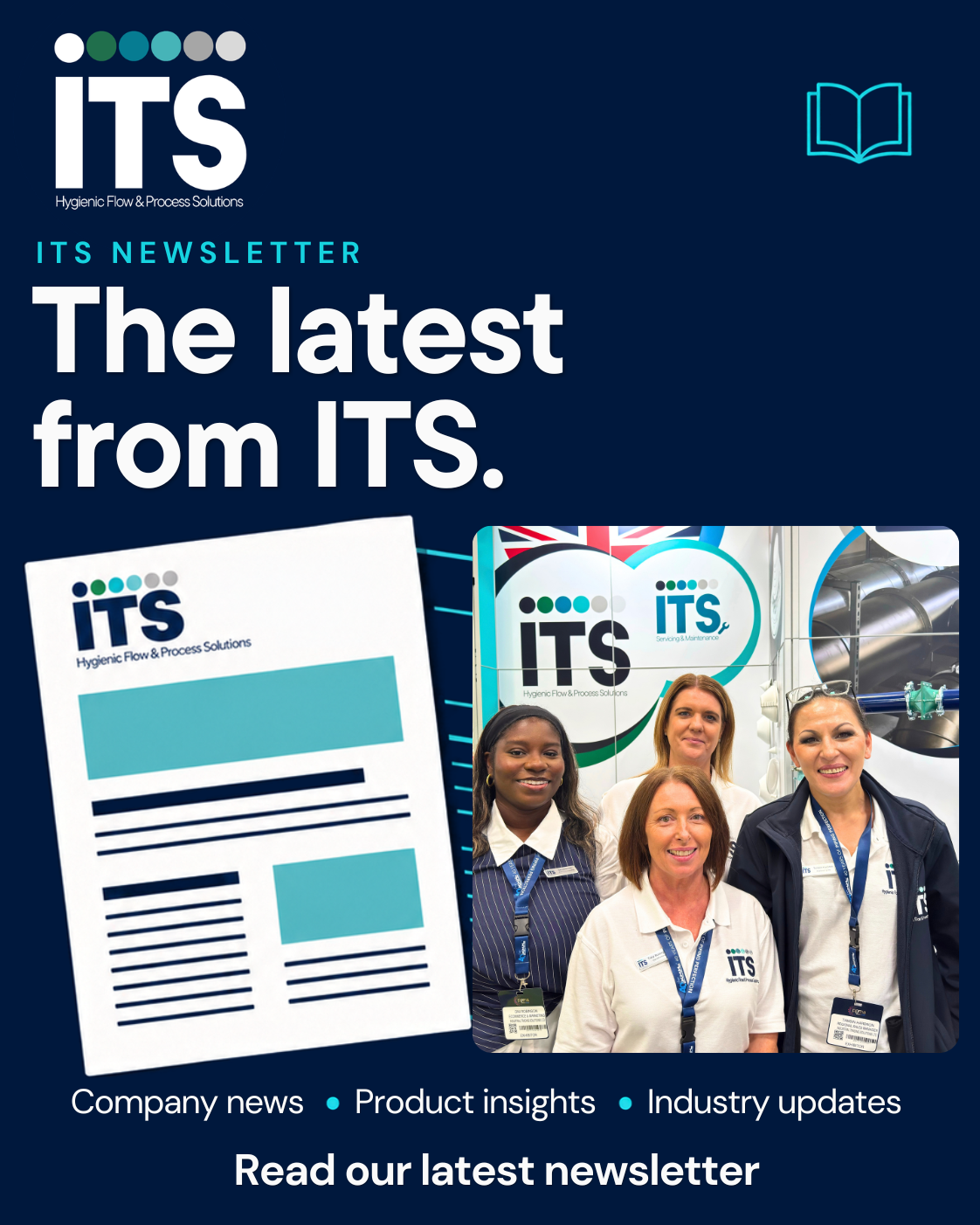
September’s ITS Flowtime Newsletter was a little different. This month, it was all about us!
We wanted to take you behind the scenes and give you a better look at what’s been happening here at ITS, from the projects we’ve been working on to the people and ideas that keep things moving.
There’s always plenty going on behind the scenes that you might not see day to day, so we thought September was the perfect opportunity to bring some of that to the forefront and give you a glimpse into life at ITS.
We’re sharing what we’ve been working on, what we’ve been getting up to as a team, and a few exciting things in the pipeline.
It’s also a chance to say a big thank you to our customers, distributors, and everyone who continues to support us. We wouldn’t be where we are without you.
So, if you haven’t already, take a look at September’s ITS Flowtime Newsletter and get to know a little more about the people and work behind ITS: https://tinyurl.com/mvmwftuu
And don’t worry, October’s newsletter will be back to bring you plenty more industry news, product updates and everything else happening at ITS!
Until then, thanks for following along, and we’ll see you next month. 👋
PPMA 2026 OVER AND OUT! 👏
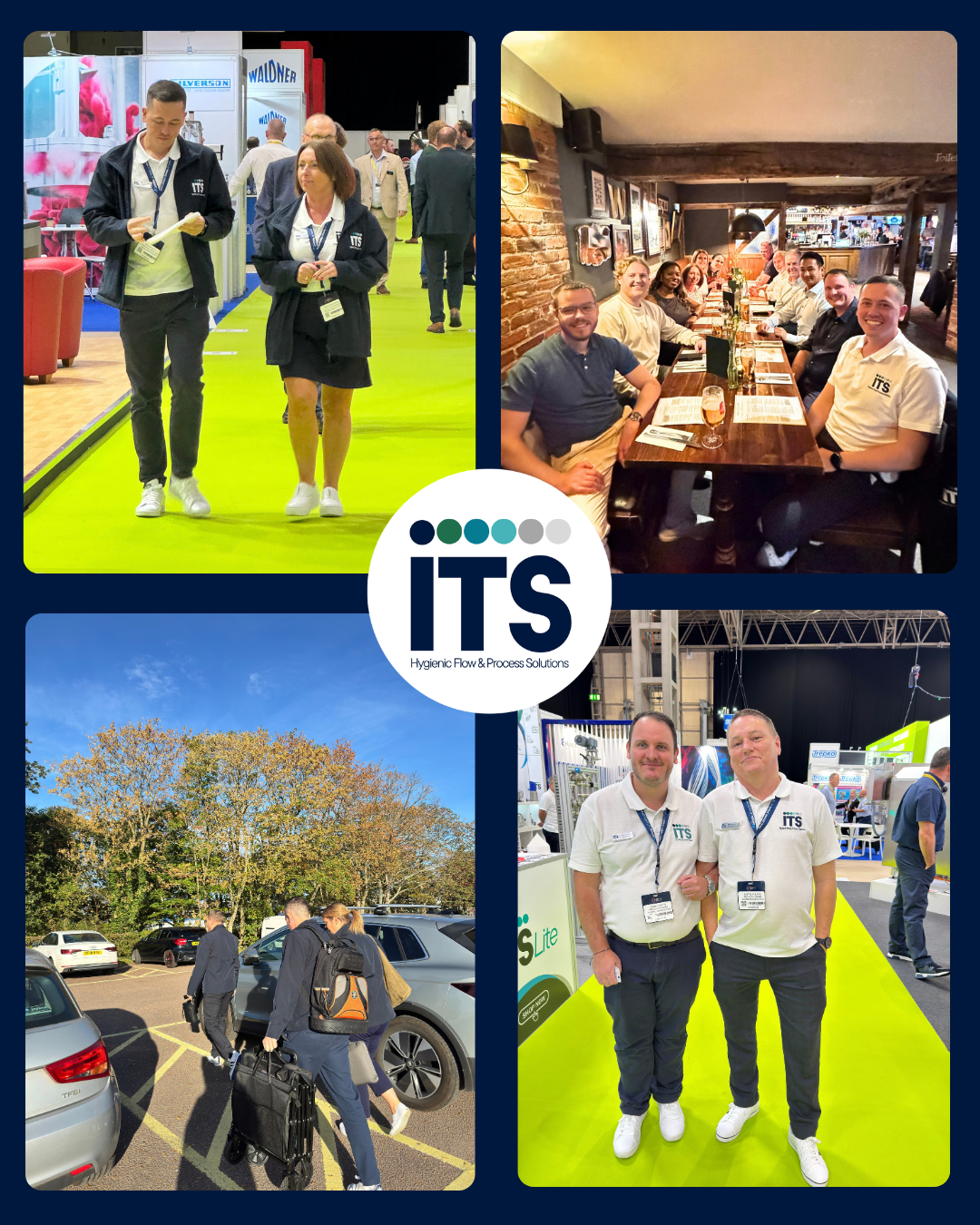
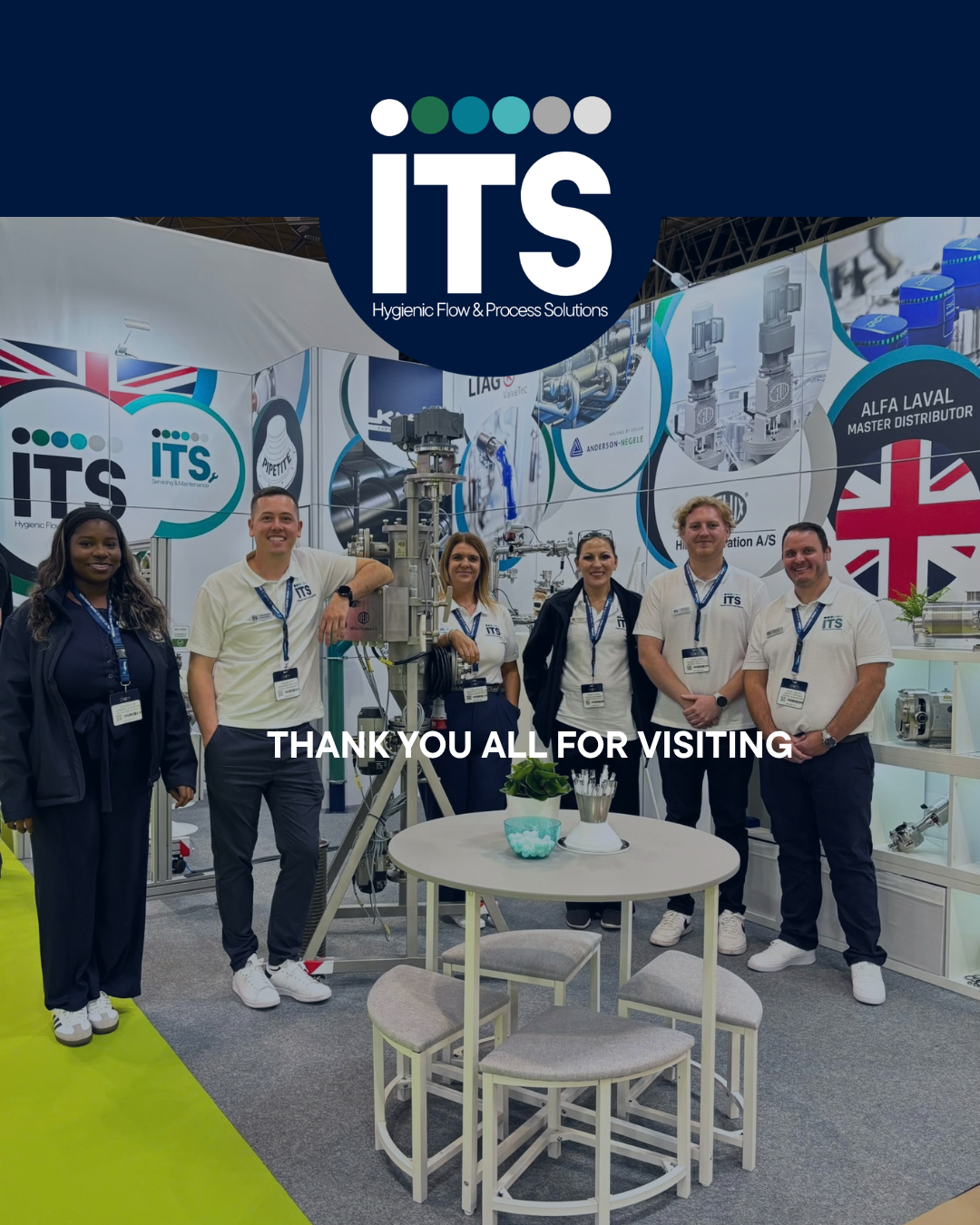
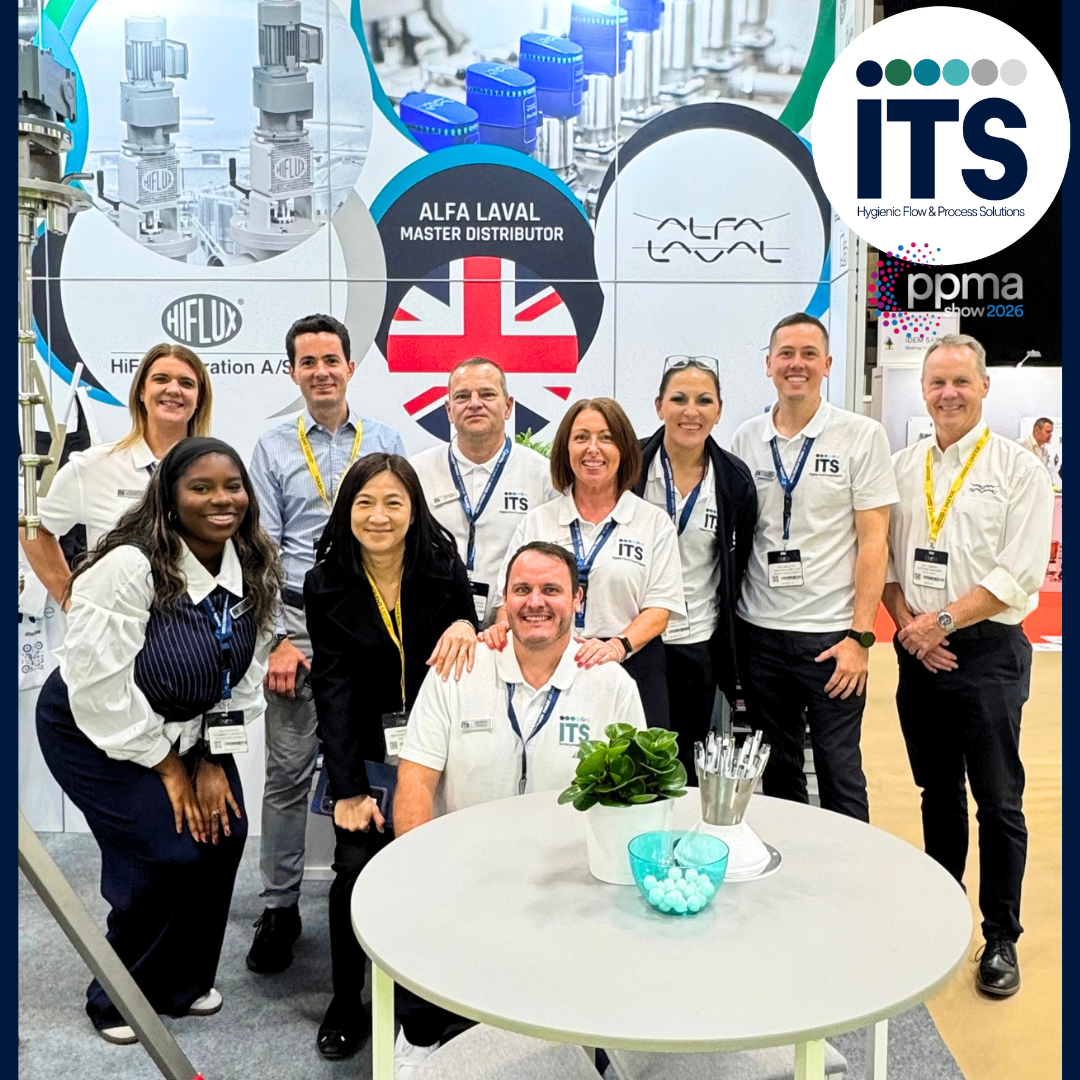
What an incredible three days at our first-ever PPMA Show!
We’ve met so many new people, caught up with familiar faces, and had some great conversations along the way.
A huge thank you to everyone who visited our stand and took the time to chat with us.
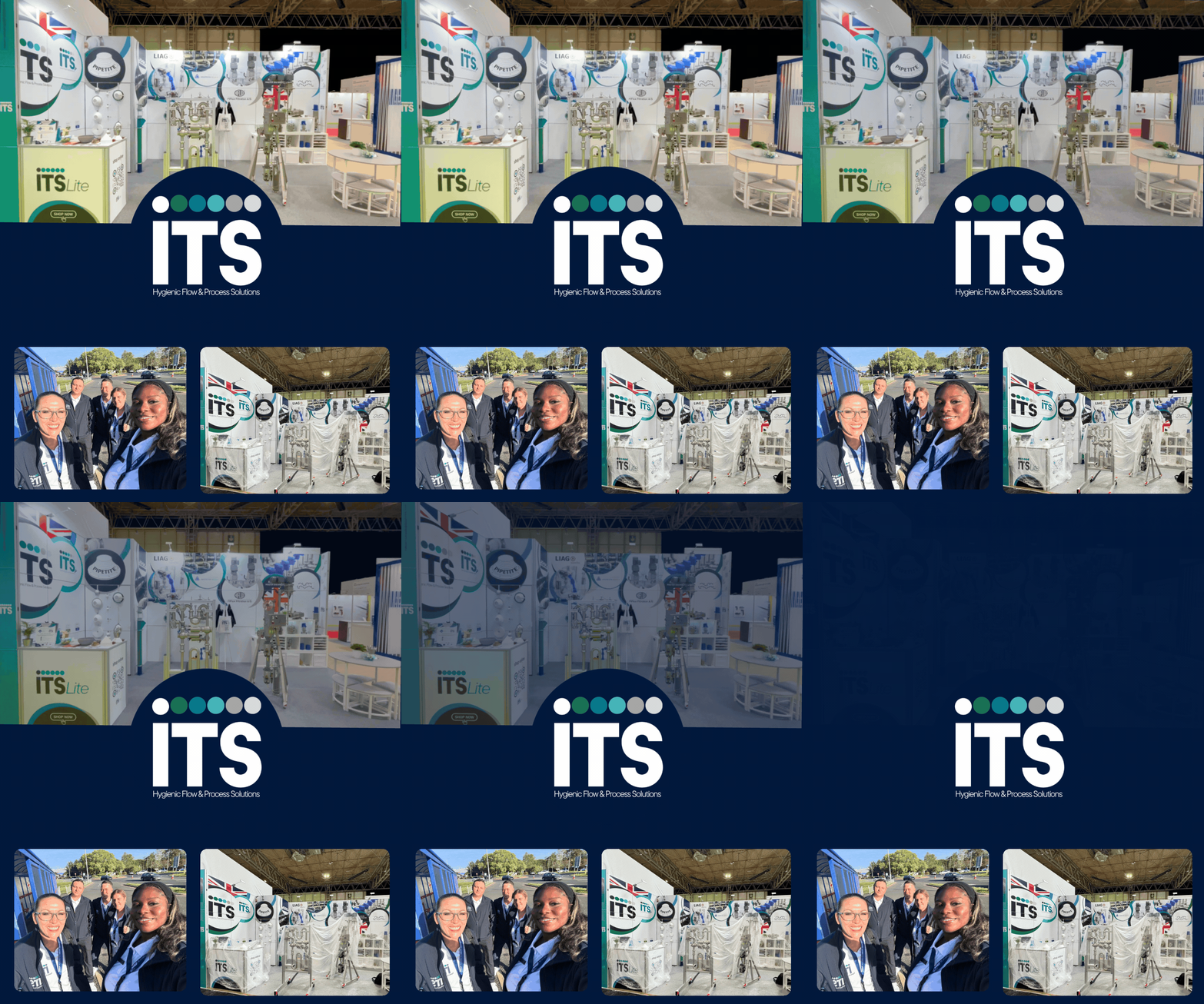
There’s still time to visit us here at the PPMA. Drop by for a chat and learn more about the latest hygienic processing technologies from Alfa Laval and more…
PPMA DAY 1 2026
So you know where to find us…
We’ve been keeping this one a secret… and we’re finally ready to share it.
ITS, as you know us, has had a glow-up.
We’ve refreshed our look to reflect where we’re going – bigger, bolder and bringing even more solutions to the table.
As specialists in hygienic fluid handling and processing, we offer more than products. We provide the technical knowledge, application expertise, and process understanding needed to support your operations from concept to completion. Our team delivers tailored solutions, troubleshooting support, and access to leading technologies, making us a true one-stop destination for both equipment and expertise.
But while the look is new, what matters to us stays the same: our values, our people and our commitment to making things happen for our customers.
This is more than just a new logo. It’s another exciting chapter in the ever-evolving story of ITS, and we’re genuinely excited about what’s ahead.
New look. Same values. More solutions.
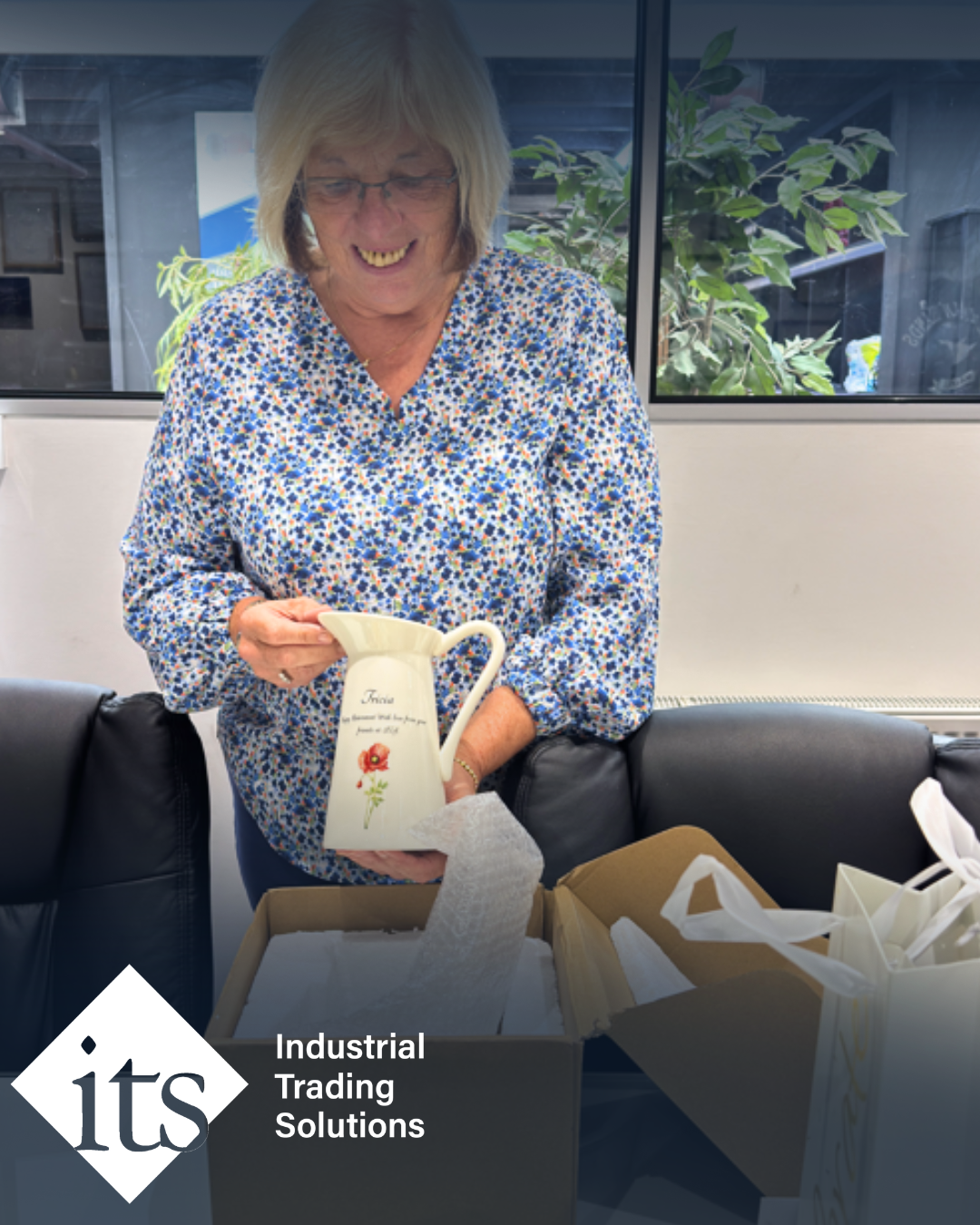
We’ve recently said goodbye to our lovely Tricia Hatton, a valued member of the ITS accounts team for 8 years.
Tricia has been such an important part of the team and will be very sadly missed by us all. We’re incredibly grateful for all her hard work, dedication and the contribution she’s made over the years.
But now it’s time for the next chapter – and what a chapter it promises to be! After years of balancing the books, it’s finally time to balance the gardening, road trips and relaxation! 🌿🚗✈️
Tricia, we hope you enjoy every moment of your well-deserved retirement, with plenty of time for gardening, great big road trips across the States, and lots of relaxing days enjoying the good life alongside husband, Chris.
Wishing you the happiest, longest and most adventure-filled retirement, Tricia. You’ll be missed!
Thank you for everything, Tricia – from all of us at ITS
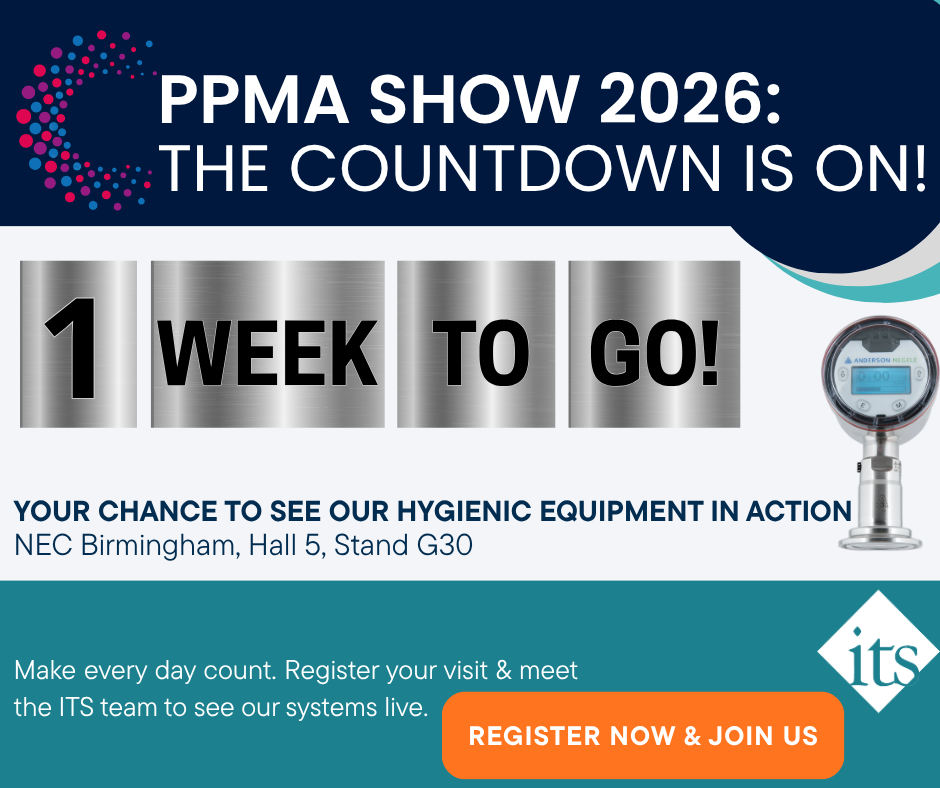
⏱️The countdown is on! With PPMA Show 2026 taking place from 22nd-24thSeptember, there’s not long to go until the ITS team heads to the NEC Birmingham for our first time exhibiting at the event.
We’re looking forward to meeting customers, industry professionals, and partners across the processing and manufacturing sectors, as well as showcasing some of the innovative solutions we bring to the market.
We’ve also got a few exciting things in the pipeline that you might want to keep an eye out for… 👀
Are you attending PPMA this year? If so, we’d love to see you there and have a chat.
We’re exhibiting at PPMA – and we’d love to see you there!
If you’re heading to PPMA this year, let’s catch up, grab a coffee, have a chat with the team, see what’s happening in the industry, and we can show you what we’ve been up to at ITS.
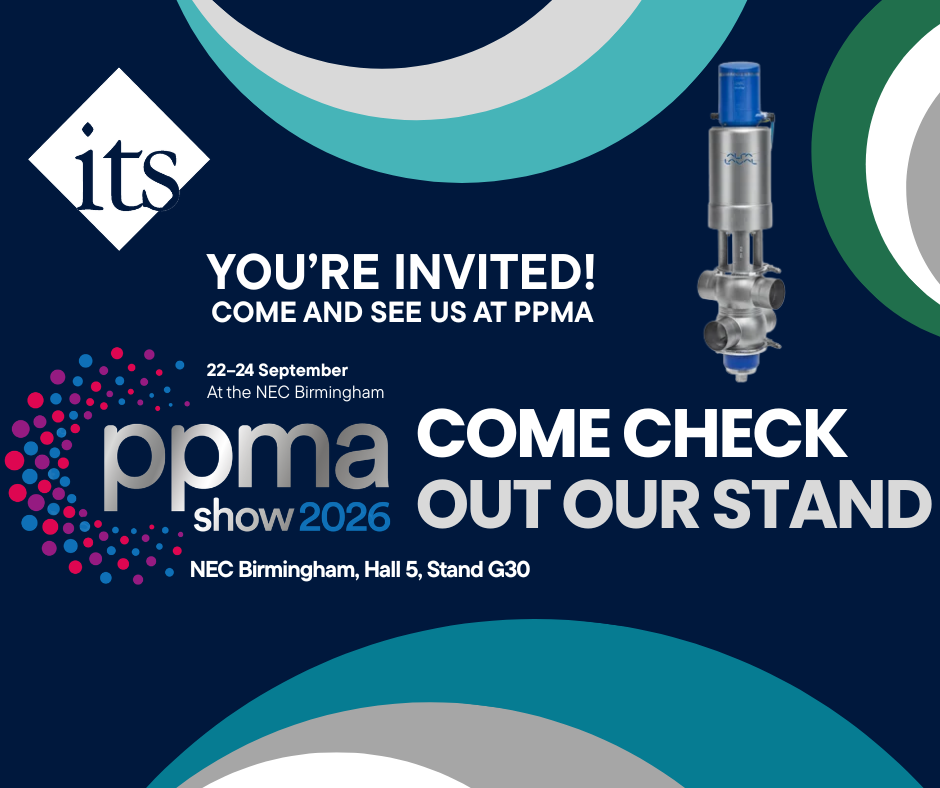
The doors open at 9:30 AM on Tuesday 22nd September at the NEC, Birmingham, and the ITS team will be ready and waiting for you at Hall 5, Stand G30.
Can’t make the first day? Don’t worry!
We’ll be there for the whole exhibition, so you’ll have plenty of opportunities to come and see us and the best hygienic fluid handling technology we will be showcasing.
We’ll also be at PPMA on Wednesday 23rd and Thursday 24th September. That’s right, three full days of exhibition fun!
So, whether you’re visiting on Tuesday, Wednesday or Thursday, make sure you stop by Hall 5, Stand G30 and say hello. We’ll be waiting for you.
See you at PPMA!
📍 Hall 5 | Stand G30 📅 Tuesday 22nd September ⏰ Doors open at 9:30 AM 📌 NEC Birmingham
We’d love for you to be part of the day, so please add yourself to our guest list.
Simply click below to join our guest list. 👉click here
What’s new at ITS? Our August edition of the ITS Flowtime Newsletter is here! 📰
From the relaunch of ITS Lite and the announcement that we’ll be exhibiting at PPMA 2026 to maintaining our ISO accreditations and strengthening partnerships with our trusted suppliers, there’s plenty to catch up on.
Take a look at the latest edition and see what’s been happening at ITS: [LINK]
In process engineering, piping and ducting can sometimes be grouped together as part of the same system, but they serve very different purposes. Choosing the right solution depends largely on what is being transported through the system and the requirements of the process.
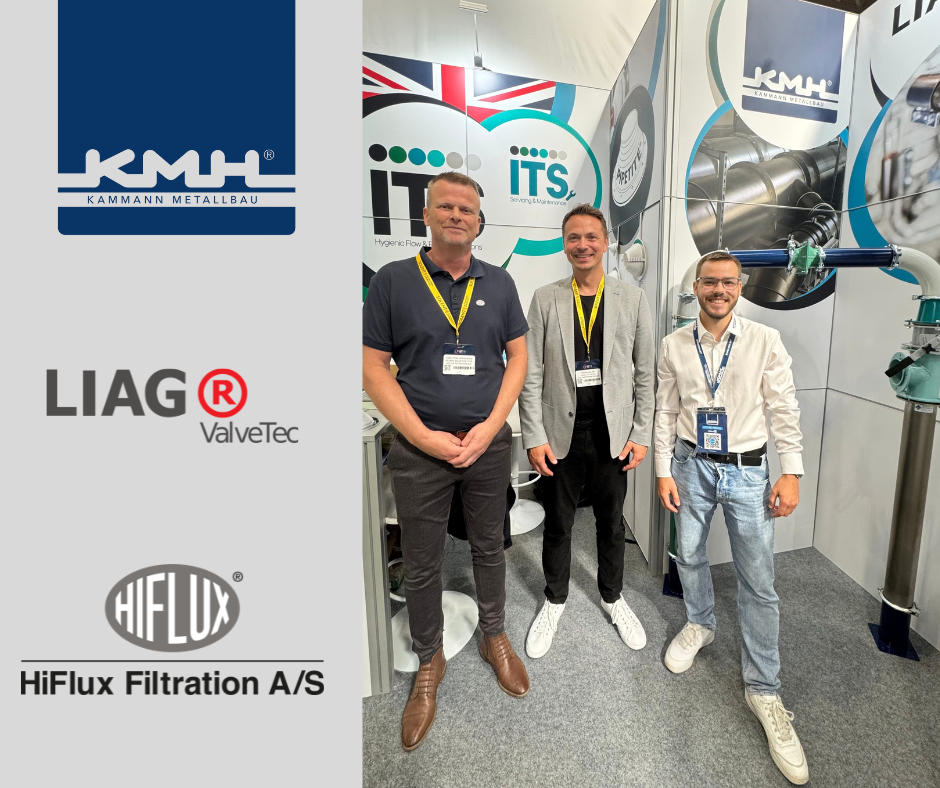
At ITS, we work with customers across the food, beverage, dairy, pharmaceutical, personal care, and wider process industries to provide hygienic stainless steel solutions from KMH Kamman Metallbau, including their specialist ducting systems and components.
So, when should you use piping, and when is ducting the better solution?
💧 Piping – For Liquid Handling
Piping and tubing systems are generally used for the transportation of liquids through a process.
This can include products, ingredients, water, cleaning solutions, and other liquid process media. Depending on the application, piping systems can also be designed to meet specific requirements around hygiene, temperature, pressure, cleanability, and product compatibility.
Piping is typically the preferred solution when the process involves:
Liquid product transfer
Water and cleaning systems
Liquid ingredients and process media
Pressurised liquid applications
Hygienic product-contact processes
🔹The design and specification of the piping system will depend on the characteristics of the product, the operating conditions, and the requirements of the process.
💨 Ducting – For Dry Products, Air & Dust
Ducting systems are generally used for the movement of dry products, powders, air, and dust within a process.
This makes ducting particularly important in applications where materials need to be conveyed or extracted without relying on a liquid medium.
KMH Kamman Metallbau specialises in hygienic stainless steel ducting solutions, providing components and fabricated systems designed for demanding process environments.
Ducting can be used for applications such as:
Dry product and powder handling
Air transportation
Dust extraction
Extraction and ventilation systems
Conveying dry materials between process stages
Hygienic air and product handling
🔹For food, dairy, pharmaceutical, and other hygienically sensitive industries, the design of the ducting system is particularly important to help maintain cleanliness and minimise areas where product or dust can accumulate.
🔍 So, Which Should You Choose?
The simplest way to look at it is:
Choose Piping/Tube When:
You are transporting liquids
The process involves liquid product or ingredients
Pressure and flow requirements need to be controlled
Hygienic liquid handling is required
Choose Ducting When:
You are transporting dry products or powders
Air movement is required
Dust or particulate extraction is required
Dry materials need to be conveyed between process stages
A hygienic air, dust, or dry-product handling solution is required
Ultimately, the right solution comes down to the material being transported and the requirements of the process. Selecting the appropriate system from the outset can help improve process efficiency, simplify maintenance, and support reliable and hygienic operation.
🏭 KMH Hygienic Ducting Solutions
At ITS, we supply KMH Kamman Metallbau hygienic stainless steel ducting, components, and associated process solutions for demanding applications across the food, beverage, dairy, pharmaceutical, and other process industries.
Whether you’re looking at dry product conveying, air handling, dust extraction, or a bespoke hygienic ducting installation, our team can help you identify the right components and configuration for your application.
💻 Looking for hygienic stainless steel tubing, bends, fittings, manifolds, or custom fabrications from KMH? Contact ITS to discuss your application requirements.
In hygienic and sterile processing environments, efficiency, product recovery, and cleanability are critical. That’s where the LIAG® DMV Pigging System delivers a smarter solution.
Designed specifically for sterile applications, the LIAG® DMV system combines advanced pigging technology with hygienic design principles to maximise product recovery, minimise waste, and support fully integrated CIP/SIP cleaning processes.
✅ Sterile, Closed-System Design
The DMV Pigging System is engineered for hygienic production environments, helping to reduce contamination risks while maintaining product integrity throughout the process.
✅ No Dead Pockets
Featuring LIAG® CIP/SIP free-flow arc valves and specially designed launching and receiving stations, the system eliminates traditional hygienic risk areas and supports thorough cleaning performance.
✅ Dynamic DMV Silicone Lip Pigs
The homogeneous silicone lip pig provides reliable sealing, exceptional cleaning performance, and minimal wear. Its flexible dynamic lips adapt to pipe tolerances and can easily negotiate standard 90° bends with radii as tight as 1.5 x pipe diameter.
✅ Flexible Operating Configurations
The system can be tailored to application requirements with multiple operating methods available, including: • One-Way Systems
Single Loop Systems
Bi-Directional Turning & Cleaning Stations
Double Loop Systems
Fully Automated Ring Systems
✅ Designed for Challenging Products
The LIAG® DMV Pigging System is particularly well suited to hygienic processes involving highly viscous and fast-hardening products such as yoghurt, dressings, soft cheese, chocolate, toothpaste, and similar media.
✅ Regulatory Compliance
Available with FDA compliance and optional 3-A certification, providing confidence for food, beverage, dairy, personal care, and pharmaceutical applications.
💡 Recover More Product. Reduce Waste.
Every metre of pipeline contains valuable product. By implementing a LIAG® DMV Pigging System, manufacturers can significantly increase product recovery, reduce waste disposal costs, improve sustainability, and enhance overall process efficiency.
In the dairy industry, efficiency, hygiene, product quality, and sustainability are essential at every stage of production. That’s why processors around the world trust Alfa Laval solutions to keep their operations running at peak performance.
As a proud Master Distributor for Alfa Laval in the UK, ITS supplies a wide range of industry-leading equipment designed specifically for dairy processing applications.
🥛 From Milk Reception to Final Product
Alfa Laval technologies help dairy producers optimise every step of the process, including:
✅ Heat transfer and pasteurisation
✅ Separation and clarification
✅ Fluid handling and pumping
✅ Tank cleaning and CIP systems
✅ Valve automation and flow control
✅ Filtration and membrane technology
🔧 Built for Hygienic Performance
Alfa Laval equipment is engineered to meet the demanding hygiene requirements of modern dairy production, helping manufacturers maintain product quality, maximise uptime, and ensure regulatory compliance.
🌱 Improving Efficiency and Sustainability
From reducing product loss and energy consumption to improving cleaning efficiency and production yields, Alfa Laval solutions help processors achieve both operational and sustainability goals.
🧀 Whether you’re producing milk, cream, yoghurt, cheese, butter, dairy ingredients, or specialised products, Alfa Laval technology delivers reliable performance throughout your process.
As Alfa Laval’s UK Master Distributor, ITS provides expert product selection, technical support, and access to genuine Alfa Laval solutions tailored to your application.
🔹Looking to optimise your dairy process? Contact ITS to discuss how Alfa Laval equipment can help improve efficiency, product quality, and profitability.
September is just around the corner, and we’re excited to confirm that ITS will be exhibiting at PPMA Show 2026.
We’ll be showcasing industry-leading process and engineering solutions, catching up with customers old and new, and sharing a glimpse of what’s next for ITS.
Let’s just say some exciting developments are taking shape behind the scenes… and PPMA could be the first place to see them for yourself. 👀
If you’re attending the show, stop by and say hello. We can’t wait to share what’s coming.
Choosing the right filtration solution is an important decision. Before committing to a new system, why not see how it performs in your own process?
At HiFlux Filtration, you can lease and test an Automatic Liquid Filter using your actual product and operating conditions. This allows you to evaluate performance, efficiency, and suitability with complete confidence.
✅ Tailored testing with the right filter size and configuration
✅ Flexible rental periods from 2 to 6 weeks
✅ Simple setup and hassle-free returns
✅ Real-world results using your own liquid and production environment
🔹Make your next filtration investment with confidence. Test first, decide later.
When it comes to mixing and agitation, selecting the right equipment can make a significant difference to product quality, process efficiency, and operating costs.
That’s why ITS partners with Vak Kimsa, a manufacturer recognised for delivering high-quality agitators and mixing solutions for a wide range of industries, including food, beverage, chemical, pharmaceutical, water treatment, and industrial processing.
✅ Engineered for reliability and long service life
✅ Designed to optimise mixing efficiency and product consistency
✅ Suitable for a wide range of tank sizes and process requirements
✅ Available with hygienic designs for demanding process applications
✅ Customised solutions to match specific operating conditions
By combining Vak Kimsa’s proven agitator technology with ITS’s technical expertise and application support, we help customers find the right mixing solution for their process, improving performance, reducing downtime, and maximising operational efficiency.
We’re proud to share that ITS has successfully maintained its ISO 9001, ISO 14001 and ISO 45001 accreditations, reinforcing our commitment to quality, environmental responsibility, and occupational health & safety.
ISO 9001 demonstrates our dedication to quality management, ensuring that our processes consistently deliver reliable, efficient, and customer-focused solutions. ISO 14001 reflects our commitment to reducing environmental impact and operating sustainably, while ISO 45001 highlights our focus on providing a safe and healthy workplace for our employees, partners, and visitors.
These internationally recognised standards reflect the strength of our organisation across every aspect of our operations, from project delivery and supplier partnerships to customer support and continuous improvement.
Maintaining these accreditations is about more than compliance. It demonstrates our commitment to regularly reviewing, refining, and enhancing the way we work to deliver the best possible outcomes for our customers, our people, and the environment.
🔹A big thank you to our team, whose dedication, professionalism, and attention to detail make this achievement possible every day.
Quality, sustainability, and safety aren’t just standards we meet – they’re at the heart of how we operate.
When a critical valve fails, every minute matters. ⏱️
Our ITS Servicing & Maintenance team was recently called out to an emergency breakdown involving a leaking Alfa Laval Unique Mixproof Valve within a customer’s production line.
Dan Hinton and Connor Littlewood quickly identified the source of the leak and temporarily shut down the CIP skid, safely removing product from the system before work could begin.
On inspection, the cause was traced to a failed O-ring, allowing product to pass through the valve and leak across the plant. Fortunately, the issue was isolated to just one valve within a skid of eight.
💡Our solution: Our servicing team removed the affected valve from the line, carried out a thorough clean-down, and replaced the failed components with a new service kit. The valve was then reassembled, recommissioned and returned to production, followed by a final site sign-off.
Regular preventative maintenance can help identify component wear before it becomes an unexpected production issue. We recommend following the appropriate 12-month servicing schedule after installation to help ensure your Alfa Laval Unique Mixproof Valves continue to operate reliably and to maximise their service life.