


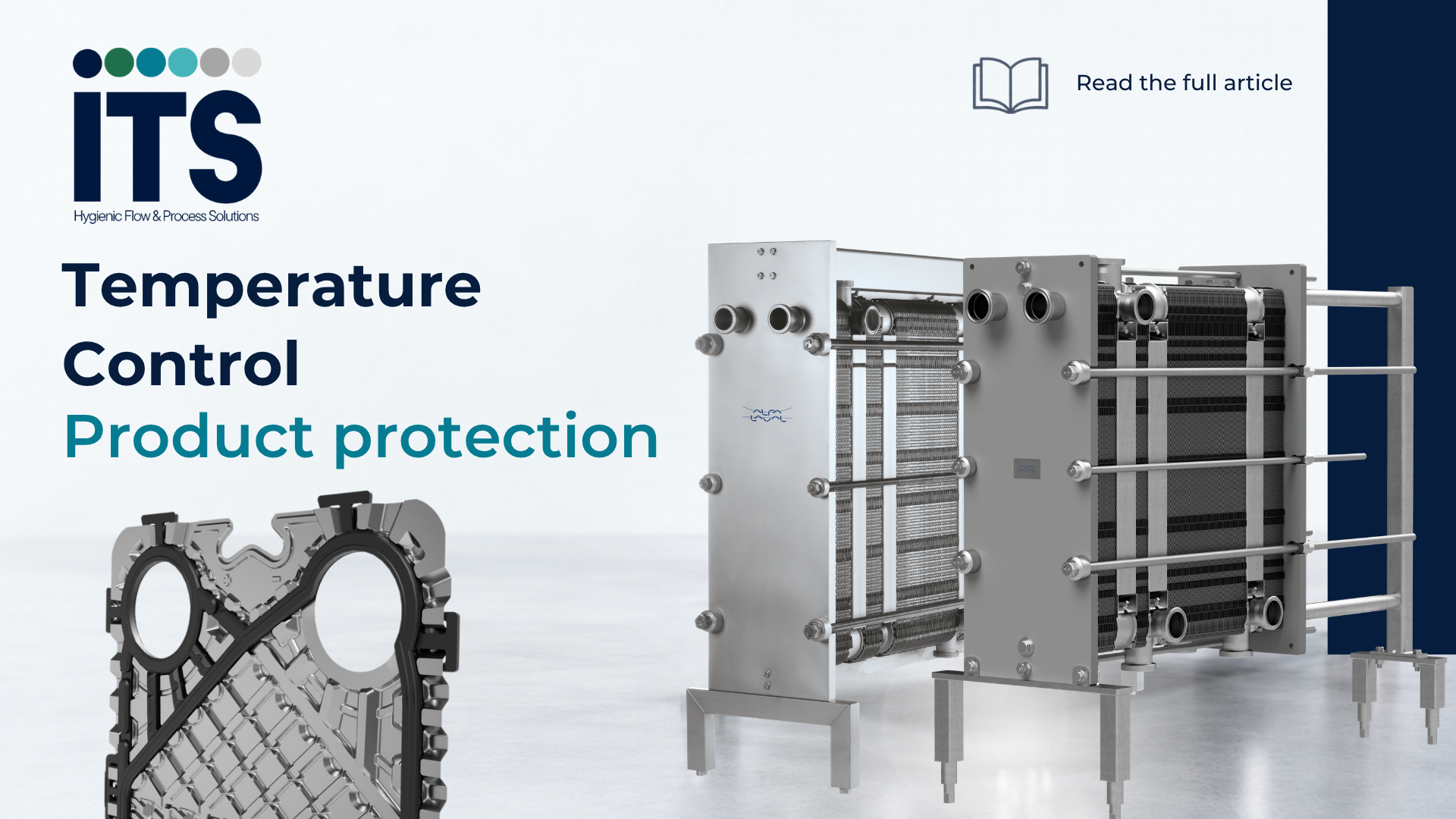
In hygienic processing industries, temperature is far more than a process variable. It is a critical control point that directly influences product quality, food safety, production efficiency, shelf life, and regulatory compliance. Whether processing dairy products, beverages, sauces, pharmaceuticals, biotechnology products, plant-based alternatives, or personal care ingredients, maintaining precise thermal control is essential.
At the heart of this process sits a piece of equipment that often goes unnoticed until problems arise: the hygienic heat exchanger.
When properly selected and designed, a hygienic heat exchanger provides controlled, efficient heat transfer while protecting sensitive products from thermal damage and contamination. When incorrectly specified, it can contribute to product degradation, reduced efficiency, increased fouling, and costly production downtime.
Why Temperature Control Matters
Many modern products are highly sensitive to temperature fluctuations. Excessive temperatures can denature proteins, alter product viscosity, damage flavours, impact colour, and reduce the effectiveness of active ingredients. Equally, insufficient heating may result in incomplete pasteurisation or sterilisation, potentially compromising product safety.
For manufacturers, the challenge is not simply achieving a target temperature. The goal is to heat or cool the product accurately, consistently, and repeatedly whilst preserving its intended characteristics.
Applications where temperature control is particularly critical include:
- Dairy products such as milk, cream, yoghurt and whey
- Pharmaceutical and biotechnology solutions
- Sauces, dressings and condiments
- Fruit preparations and concentrates
- Plant-based beverages
- Personal care and cosmetic products
- Fermentation and bioprocessing applications
In all these processes, thermal consistency directly impacts the quality of the final product.
Protecting Product Integrity
One of the primary advantages of modern hygienic heat exchanger technology is the ability to achieve rapid and controlled heat transfer.
High thermal efficiency enables products to reach their required process temperatures quickly, minimising exposure time to elevated temperatures. This is particularly important for products containing:
- Proteins
- Enzymes
- Live cultures
- Sensitive flavour compounds
- Active pharmaceutical ingredients
- Delicate emulsions
Excessive thermal exposure can negatively affect these components, resulting in reduced product quality, poor consistency, and increased waste.
Advanced heat exchanger designs help maintain tight temperature tolerances throughout the process, ensuring every batch receives the same level of treatment and reducing variability between production runs.
Reducing Fouling and Product Build-Up
Heat transfer surfaces operating with difficult products often encounter fouling, where product residues accumulate on heat exchange plates or tubes.
Products prone to fouling include:
- Dairy proteins
- Sugar-rich solutions
- High-viscosity sauces
- Plant proteins
- Starch-based products
Fouling creates several challenges:
- Reduced thermal efficiency
- Increased energy consumption
- Longer production cycles
- More frequent cleaning requirements
- Greater risk of product contamination
The correct hygienic heat exchanger design can significantly minimise these issues by maintaining optimal flow velocities, reducing dead zones, and promoting turbulent flow where appropriate.
This ensures more consistent performance between cleaning cycles while helping to maximise production uptime.
Ensuring Hygienic Design and Cleanability
In food, beverage and pharmaceutical manufacturing, cleanability is just as important as thermal performance.
Hygienic heat exchangers are specifically engineered to meet stringent sanitary requirements through:
- Smooth product-contact surfaces
- Hygienic connections
- Fully drainable designs
- Crevice-free construction
- Optimised flow paths
- Compatibility with CIP (Clean-in-Place) systems
These features reduce the risk of bacterial growth, product contamination, and allergen carryover while supporting compliance with industry standards and validation requirements.
For manufacturers operating under strict quality control procedures, hygienic design contributes directly to product safety and regulatory confidence.
♻️Energy Recovery and Sustainability
Modern manufacturing facilities are increasingly focused on reducing energy consumption and operating costs.
High-efficiency hygienic heat exchangers play a major role in achieving these objectives by enabling heat recovery opportunities throughout the process.
Examples include:
- Recovering energy from pasteurised product streams
- Pre-heating incoming product
- Reducing steam consumption
- Lowering cooling water demand
- Improving overall process efficiency
By transferring thermal energy from one process stream to another, heat exchangers can significantly reduce utility costs whilst supporting sustainability initiatives.
For many facilities, energy savings can provide a measurable return on investment over the lifetime of the equipment.
Selecting the Right Heat Exchanger Technology
There is no universal solution when it comes to heat transfer.
The most suitable technology depends on numerous process considerations, including:
Product Characteristics
- Viscosity
- Solids content
- Particle size
- Sensitivity to shear
- Fouling tendency
Process Requirements
- Heating or cooling duty
- Target temperatures
- Flow rates
- Pressure requirements
- Required holding times
Cleaning Regimes
- CIP procedures
- Cleaning frequency
- Validation requirements
- Regulatory standards
Common hygienic heat exchanger technologies include:
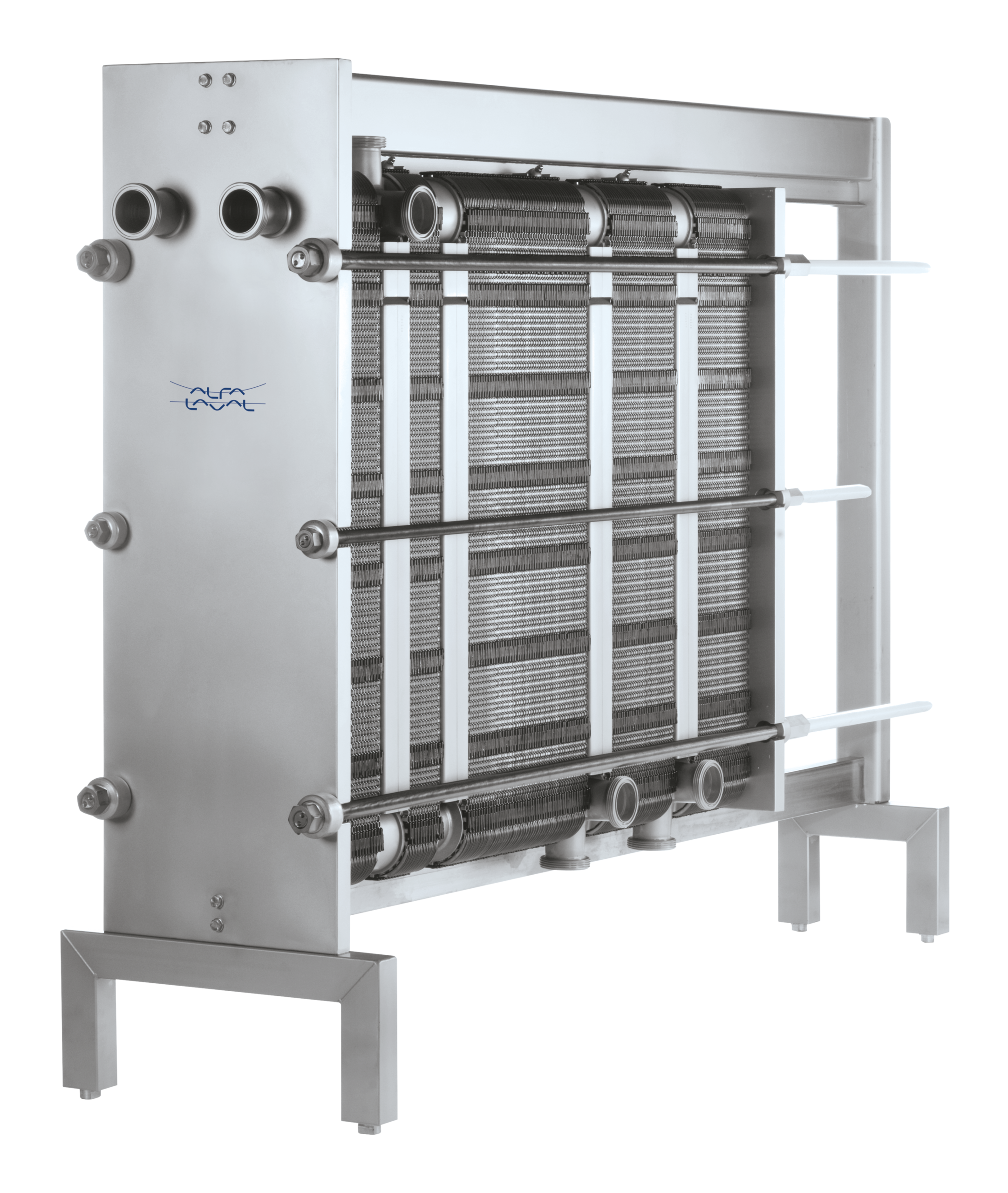
Plate Heat Exchangers
Ideal for low-to-medium viscosity products requiring highly efficient heat transfer and compact installation footprints.
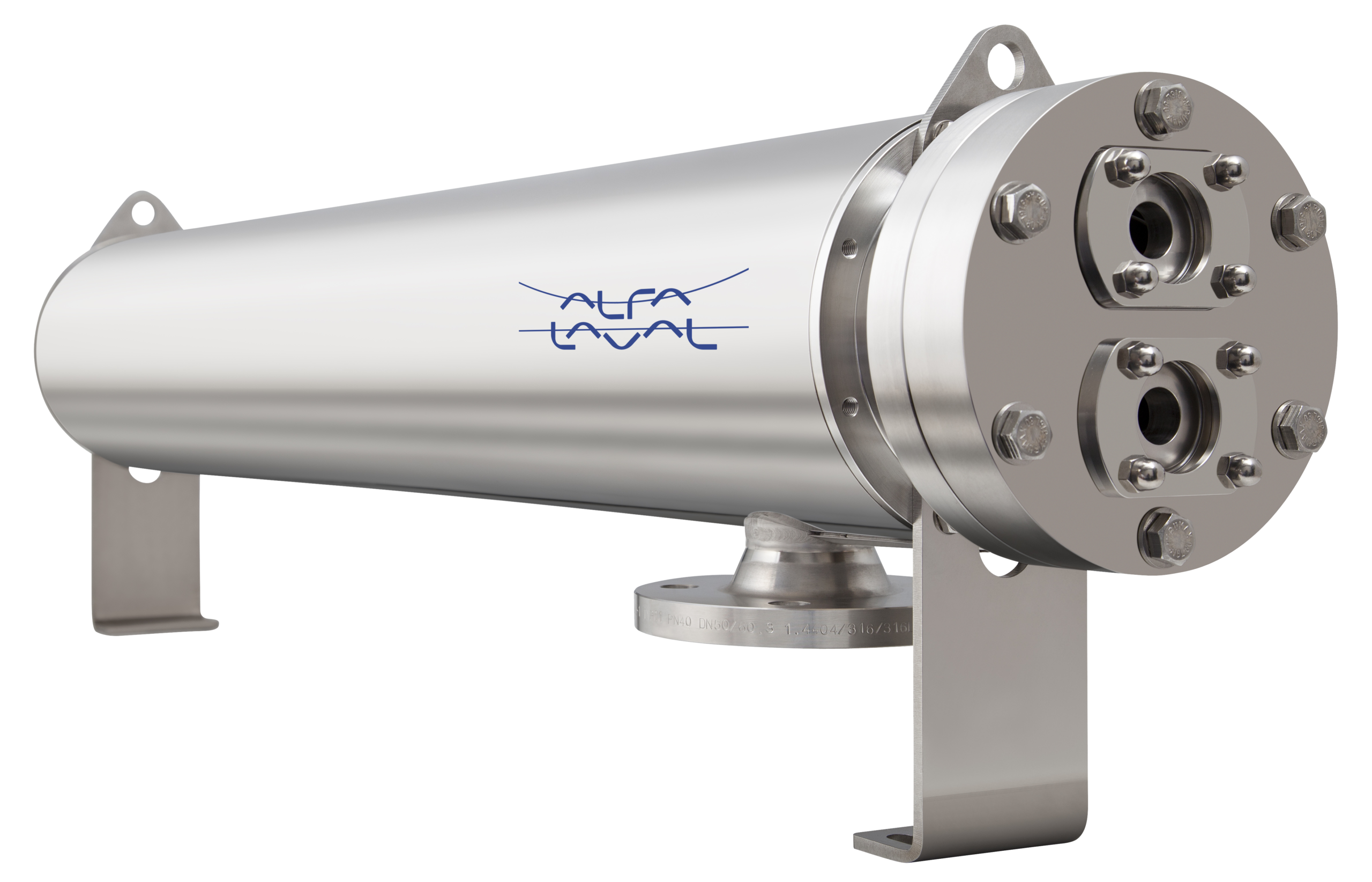
Tubular Heat Exchangers
Often selected for products containing particles, fibres, or ingredients that may block narrow plate channels.
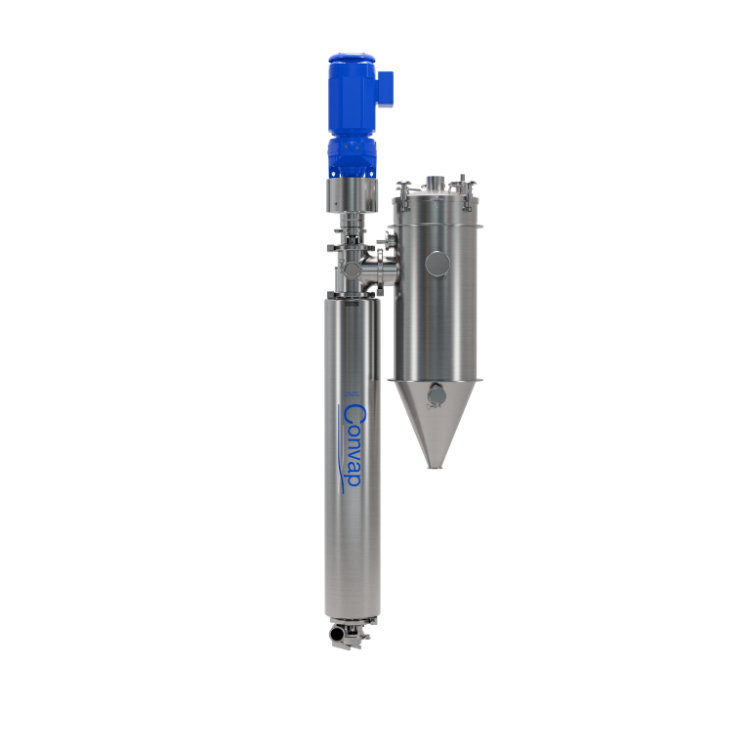
Scraped Surface Heat Exchangers
Suitable for highly viscous products and applications prone to severe fouling.
Spiral and Specialised Designs
Used in challenging applications where standard technologies may not provide sufficient performance.
Selecting the correct technology is crucial to achieving long-term reliability and maximising process efficiency.
The Importance of Correct Specification
A heat exchanger should never be selected based solely on pipe size or flow rate.
Accurate specification requires a detailed understanding of:
- Product properties
- Thermal calculations
- Future production requirements
- Cleaning procedures
- Utility availability
- Installation constraints
Oversized equipment may increase capital costs and reduce efficiency, while undersized equipment can struggle to meet production demands.
This is why many manufacturers work closely with specialist process engineers during the design phase to ensure every aspect of heat transfer performance is properly considered.
How ITS Can Help
At ITS, we support customers throughout the entire equipment selection process, from initial process discussions and thermal calculations through to equipment specification, installation support, servicing and ongoing maintenance.
Whether your application requires:
- Plate heat exchangers
- Tubular heat exchangers
- Heat recovery systems
- Hygienic process skids
- Complete thermal process solutions
Our team can help identify the most effective solution for your production requirements.
By combining application expertise with leading hygienic process technologies, we help customers improve product quality, maximise efficiency, reduce operating costs, and ensure reliable long-term performance.
💡Conclusion
For temperature-sensitive products, a heat exchanger is much more than a utility component. It is a critical element of product quality, process efficiency, food safety, and operational reliability.
Choosing the right hygienic heat exchanger can help protect delicate formulations, minimise energy consumption, reduce fouling, improve cleaning effectiveness, and ensure consistent production performance.
As product demands become more sophisticated and manufacturers continue to focus on efficiency and sustainability, investing in the correct heat transfer technology has never been more important.
Looking to optimise your heating or cooling process? 📞Contact the ITS team to discuss the most suitable hygienic heat exchanger solution for your application.
#Article #ITS #Hygienic #HeatExchangers #HeatTransfer #ThermalProcessing #ProcessEngineering #FoodAndBeverage #PharmaceuticalManufacturing #Biotechnology #DairyProcessing #AlfaLaval #EnergyEfficiency #HeatRecovery #IndustrialEngineering #FluidHandling #ITSServicing #ProcessingExcellence #DistributingSolutions #HEX
